
Innovative Renewable Energy Solutions for India
- rathinvyas
- Nov 17, 2025
- 4 min read
India is rapidly evolving as a global leader in sustainable development. With its vast population and growing energy demands, the country faces the challenge of balancing economic growth with environmental preservation. Innovative green energy alternatives are becoming essential to meet these demands while reducing carbon footprints. This blog explores some of the most promising renewable technologies and strategies that can transform India’s energy landscape.
Exploring Green Energy Alternatives in India
India’s energy sector is undergoing a significant transformation. Traditional fossil fuels are being supplemented and, in some cases, replaced by cleaner, renewable sources. The government has set ambitious targets to increase the share of renewable energy in the national grid. These green energy alternatives include solar, wind, biomass, and hydroelectric power.
Solar Power: Harnessing the Sun’s Potential
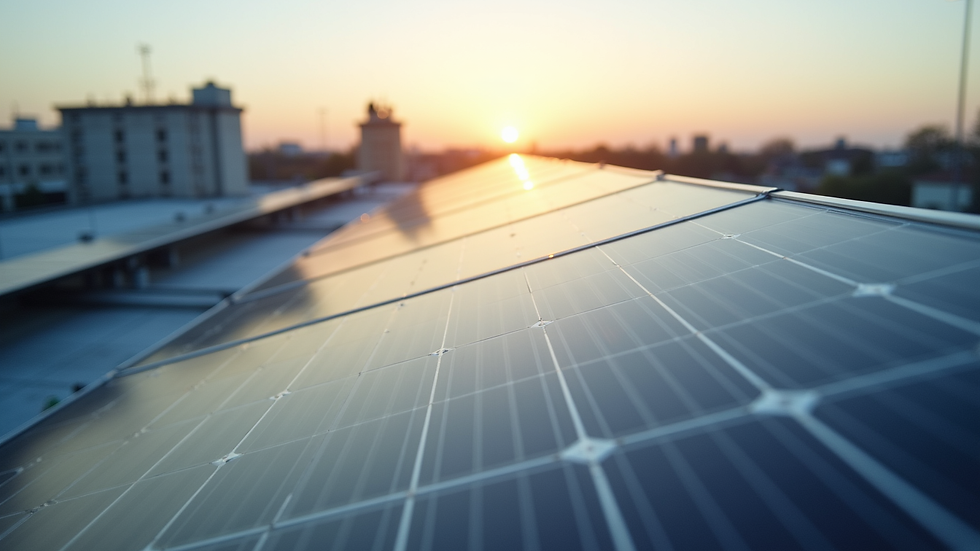
India receives abundant sunlight throughout the year, making solar power one of the most viable green energy alternatives. Large-scale solar farms and rooftop solar panels are being installed across urban and rural areas. For example, the Bhadla Solar Park in Rajasthan is one of the largest solar parks globally, generating over 2,200 MW of electricity.
Solar energy is not only sustainable but also cost-effective. The declining cost of photovoltaic panels and government incentives have made solar installations more accessible. Additionally, solar microgrids are being deployed in remote villages, providing electricity to communities previously off the grid.
Wind Energy: Capturing the Power of the Breeze
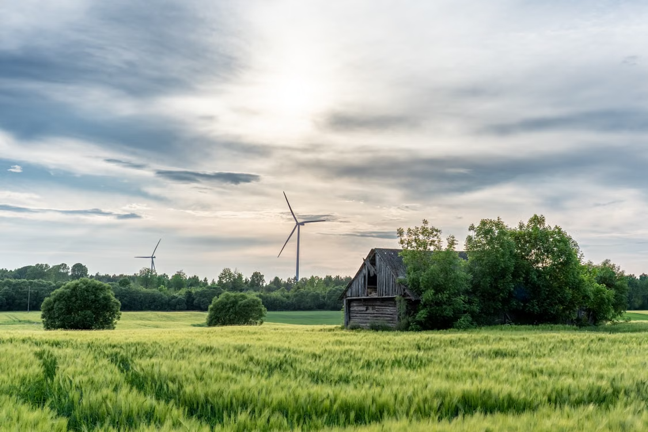
Wind energy is another critical component of India’s renewable energy mix. Coastal states like Tamil Nadu, Gujarat, and Maharashtra have excellent wind resources. The country ranks fourth globally in wind power capacity.
Modern wind turbines are more efficient and can operate in diverse conditions. Offshore wind farms are also being explored to tap into stronger and more consistent winds over the sea. Wind energy projects create jobs and stimulate local economies, especially in rural areas.

Biomass and Bioenergy: Utilizing Organic Waste
Biomass energy involves converting organic materials such as agricultural residues, animal waste, and forestry by-products into electricity, heat, or biofuels. India’s vast agricultural sector produces significant biomass waste, which can be harnessed to generate power.
Biogas plants are popular in rural areas, providing clean cooking fuel and reducing indoor air pollution. Advanced biomass gasification technologies are being developed to improve efficiency and reduce emissions. This approach supports waste management and promotes circular economy principles.
Hydroelectric Power: Tapping into Water Resources
Hydroelectric power has been a traditional source of renewable energy in India. The country has numerous rivers and water bodies suitable for small and large hydro projects. Small hydroelectric plants are particularly beneficial for remote and hilly regions.
While large dams have environmental and social concerns, modern run-of-the-river projects minimize ecological impact. Hydropower provides a stable and reliable energy source, complementing intermittent solar and wind power.
Integrating Smart Technologies for Energy Efficiency
The future of green energy alternatives in India depends not only on generation but also on efficient consumption. Smart grids, energy storage systems, and digital monitoring tools are revolutionizing how energy is managed.
Smart Grids and Energy Storage
Smart grids use digital communication to monitor and manage electricity flow, improving reliability and reducing losses. They enable better integration of renewable sources, which can be variable in output.
Energy storage technologies, such as lithium-ion batteries and pumped hydro storage, help balance supply and demand. These systems store excess energy generated during peak production and release it when needed, ensuring a steady power supply.
Electric Vehicles and Sustainable Transport
The transportation sector is a significant contributor to pollution in India. Electric vehicles (EVs) powered by renewable energy can drastically reduce emissions. Government policies are encouraging EV adoption through subsidies and infrastructure development.
Charging stations powered by solar energy and battery swapping models are gaining traction. This shift not only reduces dependence on fossil fuels but also creates new economic opportunities.

How to Support and Adopt Renewable Energy Solutions
Individuals, businesses, and communities can play a vital role in advancing renewable energy in India. Here are some practical steps to consider:
Install Solar Panels: Rooftop solar systems can reduce electricity bills and carbon footprints.
Use Energy-Efficient Appliances: Opt for appliances with high energy star ratings.
Support Green Energy Providers: Choose electricity suppliers that offer renewable energy options.
Promote Awareness: Educate others about the benefits of renewable energy.
Advocate for Policy Support: Engage with policymakers to encourage incentives and infrastructure development.
For businesses, investing in renewable energy projects or purchasing renewable energy certificates can enhance sustainability credentials and reduce operational costs.
India’s journey towards a sustainable future is supported by a wide range of renewable energy solutions that are both innovative and practical. Embracing these technologies can help the country achieve energy security, economic growth, and environmental protection simultaneously.
The Road Ahead for India’s Energy Future
India’s commitment to green energy alternatives is clear, but challenges remain. Infrastructure development, financing, and technological innovation are critical areas that require continuous attention. Collaboration between government, industry, and communities will be essential to overcome these hurdles.
Investing in research and development can lead to breakthroughs in energy storage, grid management, and renewable resource utilization. Training and capacity building will ensure a skilled workforce to support the growing renewable energy sector.
Ultimately, the transition to sustainable energy is not just an environmental imperative but an opportunity for India to lead in the global clean energy revolution. By adopting innovative green energy alternatives, India can secure a cleaner, healthier, and more prosperous future for all its citizens.

Comments