
Exploring the Latest Energy Trends in Innovation
- rathinvyas
- Feb 23
- 3 min read
The energy sector is undergoing a remarkable transformation. New technologies and approaches are reshaping how we produce, store, and consume energy. These changes are driven by the urgent need to reduce carbon emissions, improve efficiency, and ensure sustainable energy access worldwide. This article explores the latest energy trends shaping the future and highlights practical insights for embracing these advancements.
Understanding the Latest Energy Trends
The energy landscape is evolving rapidly, with several key trends gaining momentum. These trends reflect a shift towards cleaner, smarter, and more decentralized energy systems. Here are some of the most significant developments:
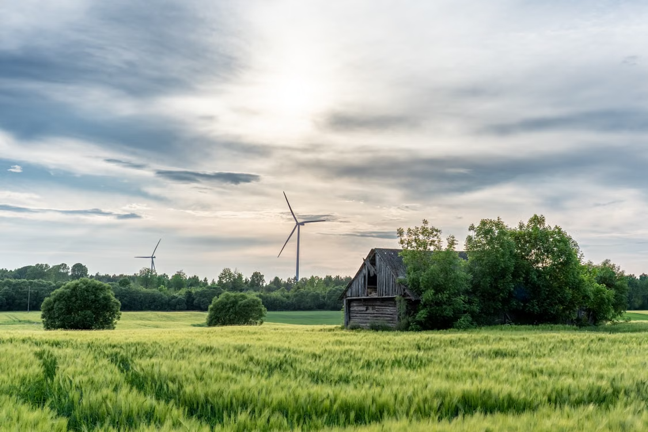
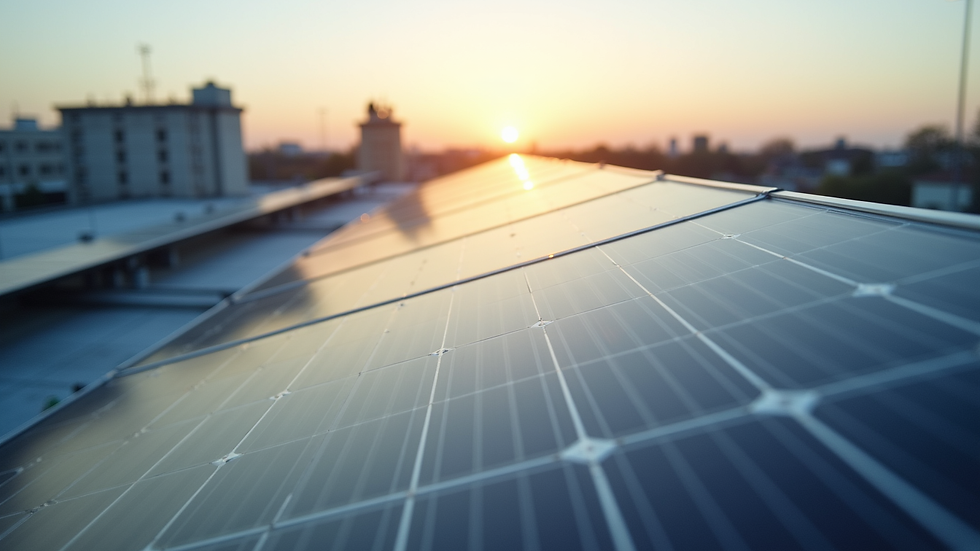
Renewable Energy Expansion: Solar and wind power continue to dominate new energy installations globally. Costs have dropped dramatically, making renewables more competitive than fossil fuels in many regions.
Energy Storage Breakthroughs: Advances in battery technology, including solid-state batteries and flow batteries, are enhancing the ability to store energy efficiently. This helps balance supply and demand and supports grid stability.
Smart Grids and Digitalization: The integration of digital technologies into energy infrastructure allows for real-time monitoring, predictive maintenance, and optimized energy distribution.
Electrification of Transport: Electric vehicles (EVs) are becoming mainstream, supported by expanding charging infrastructure and government incentives.
Hydrogen Economy: Green hydrogen, produced using renewable energy, is emerging as a versatile energy carrier for sectors difficult to electrify, such as heavy industry and shipping.
These trends are interconnected and collectively drive the transition to a more sustainable energy future.

What are the 7 Main Sources of Energy?
Understanding the primary sources of energy is essential to grasp the ongoing changes in the energy sector. The seven main sources include:
Solar Energy - Captured from sunlight using photovoltaic cells or solar thermal systems.
Wind Energy - Generated by converting wind flow into electricity using turbines.
Hydropower - Produced by harnessing the energy of flowing or falling water.
Biomass Energy - Derived from organic materials such as plant matter and waste.
Geothermal Energy - Extracted from the Earth's internal heat.
Fossil Fuels - Includes coal, oil, and natural gas, traditionally the dominant energy sources.
Nuclear Energy - Generated through nuclear fission reactions in power plants.
Each source has unique advantages and challenges. The current trend is to increase reliance on renewable sources while reducing dependence on fossil fuels to mitigate environmental impact.
Innovations Driving the Future of Energy
Several cutting-edge technologies are pushing the boundaries of what is possible in energy production and management:
Advanced Photovoltaics: New materials like perovskite solar cells promise higher efficiency and lower production costs compared to traditional silicon cells.
Grid-Scale Energy Storage: Technologies such as pumped hydro storage and large-scale battery arrays enable better integration of intermittent renewables.
Artificial Intelligence (AI) in Energy Management: AI algorithms optimize energy consumption patterns, predict equipment failures, and enhance demand response strategies.
Microgrids and Decentralized Energy Systems: Localized grids that can operate independently from the main grid improve resilience and empower communities.
Carbon Capture and Utilization: Innovative methods capture CO2 emissions from industrial processes and convert them into useful products, reducing greenhouse gases.
These innovations are critical to overcoming the limitations of current energy systems and achieving sustainability goals.

Practical Steps to Embrace Energy Innovation
Businesses, governments, and individuals can take actionable steps to benefit from the latest energy trends:
Invest in Renewable Energy Projects: Whether through direct installation or purchasing green energy, supporting renewables reduces carbon footprints.
Adopt Energy-Efficient Technologies: Upgrading to LED lighting, smart thermostats, and energy-efficient appliances lowers energy consumption.
Support Electrification Initiatives: Transitioning to electric vehicles and heat pumps helps reduce reliance on fossil fuels.
Engage in Demand Response Programs: Participating in programs that adjust energy use during peak times can save costs and stabilize the grid.
Promote Research and Development: Encouraging innovation through funding and partnerships accelerates the deployment of new technologies.
By taking these steps, stakeholders can contribute to a cleaner, more resilient energy future.
Looking Ahead: The Path Forward in Energy
The journey toward a sustainable energy future is complex but full of opportunity. Continued advancements in technology, supportive policies, and increased public awareness will drive progress. Embracing energy innovation is essential to meet global energy demands while protecting the environment.
As these latest energy trends unfold, staying informed and proactive will be key to harnessing their full potential. The future of energy is not just about new technologies but also about transforming how we think about and use energy in our daily lives.

Comments