
Top Solar Energy Solutions for a Sustainable Future
- rathinvyas
- Nov 10, 2025
- 3 min read
Solar power systems are transforming the way we generate and consume energy. As the world moves toward sustainability, adopting renewable energy sources like solar power is becoming essential. This article explores the top solar power systems available today, their benefits, and how they contribute to a greener future.
Understanding Solar Power Systems: Types and Benefits
Solar power systems convert sunlight into electricity, providing a clean and renewable energy source. There are several types of solar power systems, each suited for different needs and environments.
Types of Solar Power Systems
Grid-Tied Solar Systems
These systems are connected to the local utility grid. They allow homeowners and businesses to use solar energy during the day and draw power from the grid when solar production is low. Excess energy can often be sold back to the utility company, reducing electricity bills.
Off-Grid Solar Systems
Off-grid systems operate independently of the utility grid. They are ideal for remote locations where grid access is unavailable. These systems typically include battery storage to provide power during nighttime or cloudy days.
Hybrid Solar Systems
Hybrid systems combine grid-tied and off-grid features. They use solar panels and batteries, allowing users to store excess energy and draw from the grid when necessary. This setup offers flexibility and reliability.
Benefits of Solar Power Systems
Environmental Impact: Solar energy reduces greenhouse gas emissions and dependence on fossil fuels.
Cost Savings: After initial installation, solar power can significantly lower electricity bills.
Energy Independence: Solar systems provide autonomy from fluctuating energy prices and grid outages.
Low Maintenance: Solar panels require minimal upkeep and have long lifespans.

How Solar Power Systems Work: A Simple Breakdown
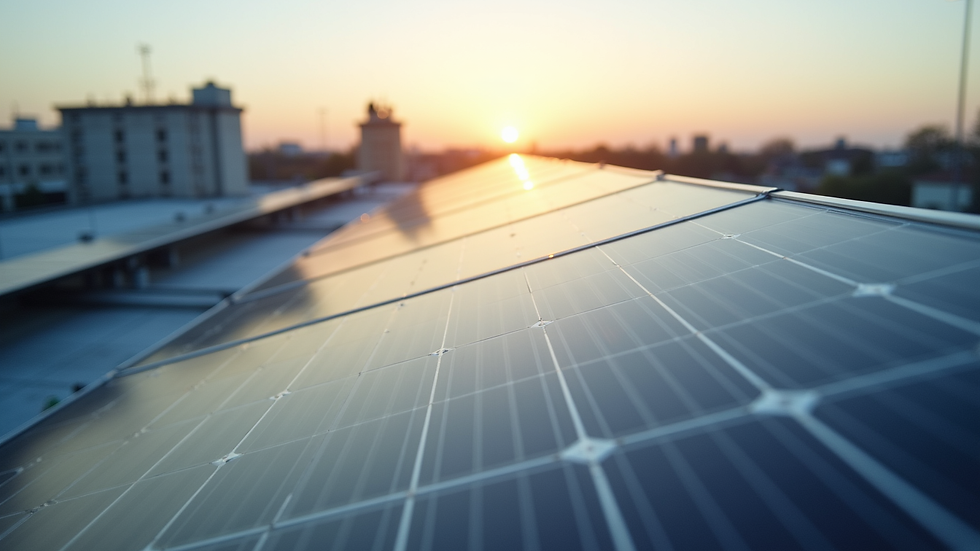
Solar power systems harness sunlight using photovoltaic (PV) panels. These panels contain semiconductor materials that convert sunlight into direct current (DC) electricity. An inverter then converts DC into alternating current (AC), which powers homes and businesses.
Key Components of Solar Power Systems
Solar Panels: Capture sunlight and convert it into electricity.
Inverter: Converts DC electricity to AC electricity.
Battery Storage: Stores excess energy for later use (in off-grid or hybrid systems).
Mounting System: Secures panels to rooftops or ground mounts.
Monitoring System: Tracks energy production and system performance.
Installation and Maintenance Tips
Choose a location with maximum sun exposure, avoiding shade from trees or buildings.
Regularly clean panels to remove dust and debris for optimal efficiency.
Schedule professional inspections every few years to ensure system health.
Innovative Solar Power Systems Driving the Future
Advancements in technology have led to innovative solar power systems that increase efficiency and accessibility.
Building-Integrated Photovoltaics (BIPV)
BIPV systems integrate solar panels directly into building materials such as windows, facades, and roofs. This approach reduces installation costs and enhances aesthetics while generating power.
Solar Tracking Systems
Solar trackers adjust the position of panels throughout the day to follow the sun’s path. This increases energy capture by up to 25% compared to fixed systems.
Floating Solar Farms
Floating solar farms are installed on bodies of water like lakes or reservoirs. They reduce land use and help cool panels, improving efficiency.
Portable Solar Solutions
Portable solar kits provide power for camping, emergency situations, or remote work sites. These compact systems are easy to transport and set up.

Practical Steps to Choose the Right Solar Power System
Selecting the right solar power system depends on your energy needs, location, and budget. Here are practical steps to guide your decision:
Assess Your Energy Consumption
Review your electricity bills to understand your average daily usage.
Evaluate Your Site
Check roof condition, orientation, and shading to determine solar potential.
Set a Budget
Consider upfront costs, incentives, and long-term savings.
Explore Incentives and Rebates
Many regions offer tax credits, rebates, or grants for solar installations.
Consult Professionals
Work with certified solar installers to design a system tailored to your needs.
Consider Financing Options
Look into loans, leases, or power purchase agreements (PPAs) to reduce initial costs.
By following these steps, you can maximize the benefits of your solar investment.
Embracing Solar Energy Solutions for a Greener Tomorrow
Adopting solar energy solutions is a powerful way to contribute to environmental sustainability. These solutions not only reduce carbon footprints but also promote energy independence and economic growth.
Businesses and homeowners alike can benefit from the versatility and scalability of solar power systems. Whether installing rooftop panels or investing in large-scale solar farms, the transition to solar energy is a step toward a cleaner, more resilient energy future.
Solar power systems continue to evolve, becoming more efficient and affordable. Staying informed about the latest technologies and incentives can help you make the best choices for your energy needs.
By integrating solar power into daily life, communities can reduce reliance on fossil fuels and foster a healthier planet for future generations. The time to invest in solar energy is now, paving the way for a sustainable and prosperous future.

Comments