
Energy Saving Technologies for a Sustainable India
- rathinvyas
- Nov 24, 2025
- 4 min read
Updated: Feb 2
The Importance of Energy Saving Technologies in India
India’s energy consumption has been rising steadily due to urbanization, industrialization, and population growth. This surge puts pressure on natural resources and the environment. Energy saving technologies offer a practical solution by improving energy use efficiency across various sectors.
By integrating these technologies, India can:
Reduce dependence on fossil fuels
Lower greenhouse gas emissions
Enhance energy security
Promote sustainable development
For example, smart meters and energy-efficient appliances are becoming more common in Indian households, helping consumers monitor and reduce their electricity usage effectively.

Key Energy Saving Technologies Transforming India
Several energy saving technologies are making a significant impact in India. These include:
1. Solar Power Systems
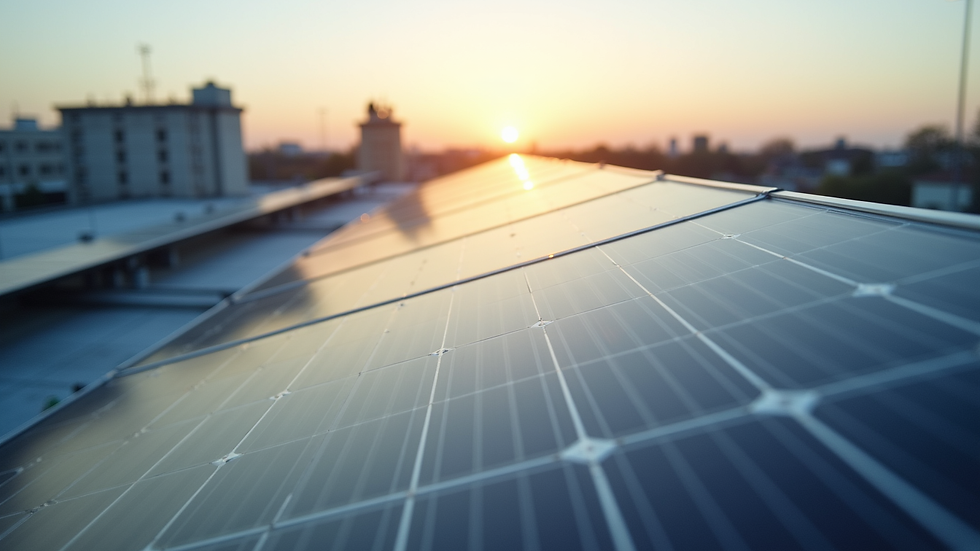
Solar energy is abundant in India, making solar power systems a natural choice. Photovoltaic (PV) panels convert sunlight into electricity, providing a clean and renewable energy source. Solar rooftop installations are increasingly popular in residential, commercial, and industrial sectors.
Benefits:
Reduces electricity bills
Low maintenance costs
Government incentives and subsidies available
2. LED Lighting
Replacing traditional incandescent bulbs with LED lighting is one of the simplest ways to save energy. LEDs consume up to 80% less energy and last much longer.
Practical tips:
Use LED bulbs in homes and offices
Install motion sensors in less frequently used areas
Opt for daylight harvesting systems to maximize natural light
3. Energy-Efficient Appliances
Modern appliances with high energy star ratings consume less power without compromising performance. Refrigerators, air conditioners, and washing machines with energy-efficient designs are widely available in the Indian market.
Recommendations:
Choose appliances with the highest energy star rating
Regularly maintain appliances for optimal performance
Use appliances during off-peak hours to reduce load on the grid
4. Smart Grid and Metering Technologies
Smart grids enable better management of electricity supply and demand. Smart meters provide real-time data on energy consumption, helping consumers and utilities optimize usage.
Advantages:
Detects energy theft and losses
Facilitates dynamic pricing models
Encourages energy conservation through feedback
5. Building Insulation and Design
Proper insulation and energy-conscious building design reduce the need for heating and cooling. Techniques such as double-glazed windows, reflective roofing, and natural ventilation are gaining traction.
Actionable steps:
Use thermal insulation materials in walls and roofs
Design buildings to maximize natural light and airflow
Incorporate green roofs and vertical gardens

How Industries Can Benefit from Energy Saving Technologies
Industries are among the largest energy consumers in India. Implementing energy saving technologies can significantly reduce operational costs and environmental impact.
Energy Audits and Monitoring
Conducting regular energy audits helps identify inefficiencies and areas for improvement. Monitoring systems track energy use in real-time, enabling quick corrective actions.
Efficient Motors and Drives
Replacing old motors with energy-efficient models and using variable frequency drives (VFDs) can reduce energy consumption in manufacturing processes.
Waste Heat Recovery
Industries can capture and reuse waste heat generated during production, reducing the need for additional energy input.
Process Optimization
Optimizing production processes through automation and better scheduling minimizes energy waste.
The Role of Government and Policy in Promoting Energy Saving Technologies
Government initiatives play a vital role in accelerating the adoption of energy saving technologies in India. Policies and programs include:
Perform, Achieve, and Trade (PAT) Scheme: Encourages industries to improve energy efficiency.
Solar Subsidies: Financial incentives for solar panel installations.
Energy Conservation Building Code (ECBC): Sets standards for energy-efficient building design.
Awareness Campaigns: Educate citizens and businesses about energy conservation.
These measures create a supportive environment for innovation and investment in energy saving technologies.
Embracing Energy Efficiency Technologies for a Sustainable Future
India’s journey towards sustainable energy use depends heavily on the widespread adoption of advanced energy saving technologies. From solar power to smart grids, these solutions offer practical ways to reduce energy consumption and environmental impact.
By investing in these technologies, India can secure a cleaner, more efficient energy future that supports economic growth and environmental stewardship. Whether you are a homeowner, business owner, or policymaker, embracing these innovations is a step toward a brighter, greener India.
Future Trends in Energy Saving Technologies
As India continues to develop, the landscape of energy saving technologies will evolve. Emerging trends include:
1. Integration of Artificial Intelligence
Artificial intelligence (AI) is set to revolutionize energy management. AI can analyze data from smart meters and optimize energy usage patterns. This leads to more efficient energy consumption and cost savings.
2. Energy Storage Solutions
With the rise of renewable energy sources, efficient energy storage solutions are becoming essential. Technologies such as batteries and pumped hydro storage can store excess energy generated during peak production times for later use.
3. Electric Vehicles (EVs)
The adoption of electric vehicles is increasing in India. EVs not only reduce reliance on fossil fuels but also promote cleaner air. Charging infrastructure is expanding, making it easier for consumers to transition to electric mobility.
4. Decentralized Energy Systems
Decentralized energy systems, such as microgrids, allow communities to generate and manage their own energy. This reduces dependence on centralized power sources and enhances energy security.
5. Smart Home Technologies
Smart home devices, such as smart thermostats and energy monitoring systems, empower homeowners to manage their energy consumption effectively. These technologies provide insights into usage patterns and suggest ways to save energy.
Conclusion
The future of energy in India is bright, thanks to the adoption of innovative energy saving technologies. As the country embraces these advancements, it will not only meet its growing energy demands but also contribute to a sustainable and environmentally friendly future. The integration of AI, energy storage, and smart home technologies will play a crucial role in this transformation.
By prioritizing energy efficiency, India can pave the way for a sustainable energy landscape that benefits both the economy and the environment. The journey toward energy sustainability is ongoing, and every step taken today will lead to a greener and more prosperous tomorrow.

Comments